
Industry news
High-Performance Polycarboxylate Superplasticizer vs Standard Types: The Ultimate Comparison
Introduction to Concrete Admixtures
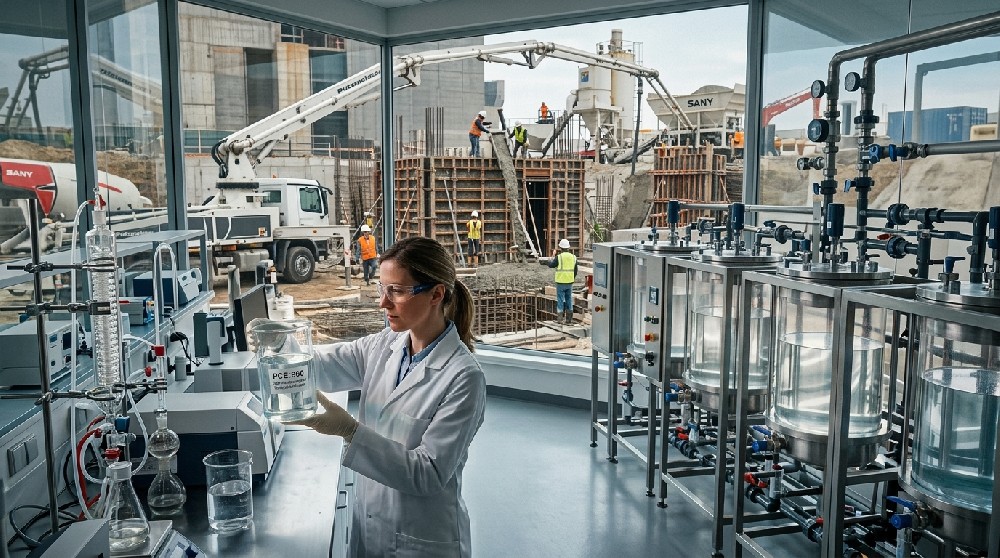
Modern construction demands superior materials. High-performance polycarboxylate superplasticizer stands out in this field. Builders often ask about its differences from standard versions. Engineers need clear insights for better project outcomes. This guide explores molecular structures, applications, and costs.
Molecular Architecture and Structural Differences
Precision defines advanced chemical engineering. Polycarboxylate ether molecules feature tailored side chains. Manufacturers design these chains for optimal density. This architecture forms a robust protective barrier around cement particles. Electrostatic repulsion maximizes particle dispersion.
Standard admixtures lack this structural precision. Their random chain lengths weaken adsorption capacity. Particles agglomerate faster without stable steric hindrance. Engineers notice lower overall dispersion efficiency in standard variants.
Performance Metrics and Water Reduction
Water reduction drives modern mix designs. Premium admixtures achieve reduction rates exceeding thirty percent. Contractors leverage this to lower water-binder ratios. Higher compressive strength naturally follows this reduction.
Standard options yield lower water reduction rates. These typically range between twenty and thirty percent. Slump retention also highlights a major gap. Advanced formulas prevent slump loss over long transit times. Concrete slump retention remains stable for hours. Standard blends suffer rapid workability decay under heat.
Targeted Industrial and Infrastructure Applications
Severe engineering tasks require specialized chemistry. High-performance polycarboxylate superplasticizer dominates heavy infrastructure projects. Skyscrapers, long-span bridges, and marine structures rely on it. These environments demand high-strength and self-consolidating mixes.
Routine civil projects utilize standard chemical options. Standard formulations suit general residential and paving needs. Contractors choose them for low-risk, standard-strength structural elements.
Manufacturing Complexity and Economic Costs
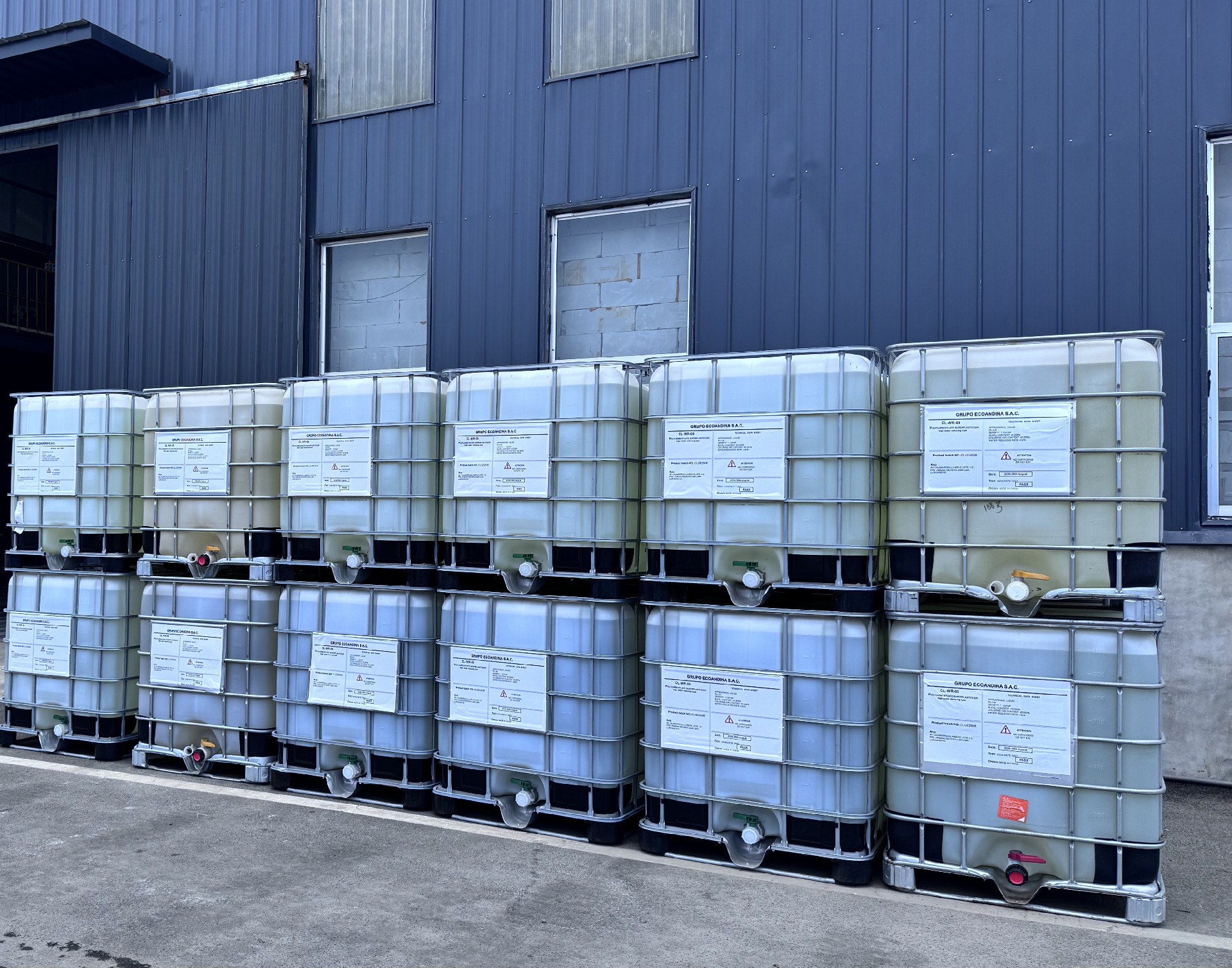
Advanced synthesis requires strict thermal control. High-purity polyether macromonomers drive up raw material expenses. Production lines demand automated precision to ensure consistency. Market prices reflect these elevated manufacturing inputs.
Standard synthesis relies on simpler chemical pathways. Raw material requirements remain flexible and less demanding. Lower energy consumption reduces overall production overhead. Buyers benefit from budget-friendly market pricing.
Maximizing Durability in Mega Projects
Mega infrastructure demands extreme material longevity. High-performance concrete projects utilize these advanced polymers. Dams, tunnels, and high-speed rail systems need maximum density. Reduced permeability prevents chloride ion penetration.
Structures resist freeze-thaw cycles far better. Engineers protect steel reinforcements from premature corrosion. Long-term structural integrity justifies the initial material investment.
Revolutionizing Prefabricated and Special Mixes
Precast factories demand rapid production cycles. Self-consolidating concrete eliminates manual vibration needs. Forms fill smoothly around dense rebar arrangements. Surface defects drop significantly across production batches.
Workers achieve higher early strength development. Heat curing processes become optional with advanced formulations. Factories reduce energy consumption while boosting daily output.
Conclusion and Strategic Selection
Choosing the right admixture shapes project success. Polycarboxylate superplasticizer technology continues to evolve. Engineers must balance technical demands with budgetary limits. Smart selection guarantees both structural safety and economic efficiency.
CATEGORIES
LATEST NEWS
- High-Performance Polycarboxylate Superplasticizer vs Standard Types: The Ultimate Comparison
- Explosive Price Surge: Daily‑Changing Chemical Raw Materials Fuel New Round of Price Hikes
- Influence of Over‑dosing Superplasticizer on Concrete Performance
- Maximizing Concrete Performance: Why Modern Construction Relies on Advanced Admixtures
- Polycarboxylate Superplasticizer: The Complete Guide to High-Performance Concrete
CONTACT US
Phone: +86 18366819567
Tel: +86 543-3324448
Email: chengli@chenglicn.com
Add: 137-7# Yongxin Rd,Bincheng District,Binzhou City Shandong Province,China