
Company new
Polycarboxylate Superplasticizer: The Complete Guide to High-Performance Concrete
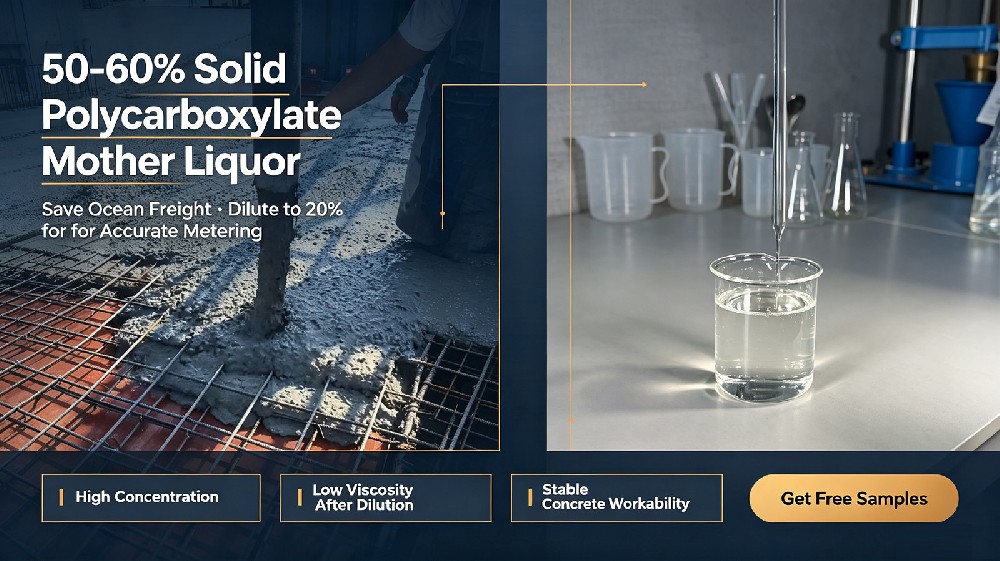
Understanding Polycarboxylate Superplasticizer in Modern Construction
Modern engineering projects demand resilient and long-lasting building materials. Engineers continuously seek advanced chemical solutions for durable structures. Polycarboxylate Superplasticizer stands out as a high-performance concrete admixture today.
This chemical additive fundamentally changes how contractors mix fresh concrete. It disperses cement particles through electrostatic repulsion and steric hindrance. As a result, the fresh mix achieves exceptional fluid performance.
Contractors no longer add excess water to improve workability. Polycarboxylate Superplasticizer maintains ideal slump flow without compromising structural integrity. Concrete mixes flow effortlessly while keeping uniform aggregate distribution.
Old-generation additives like naphthalene superplasticizers required high dosage rates. They often caused rapid slump loss and inconsistent setting times. Polycarboxylate technology solves these issues through customizable molecular structures.
How Polycarboxylate Superplasticizer Drastically Boosts Workability and Pumpability
Fluid concrete simplifies placing operations on complex construction sites. High-rise projects require smooth concrete pumping through long vertical pipe columns.
Adding Polycarboxylate Superplasticizer drastically lowers internal viscous resistance within pumping lines. Workers pour liquid concrete faster and with far less physical effort. Consequently, overall site efficiency increases across every construction phase.
Sticky concrete mixes frequently clog heavy equipment during continuous pouring operations. PCE admixtures keep the cement paste slick, cohesive, and workable. The uniform mixture glides through tightly spaced steel reinforcing cages effortlessly.
Engineers achieve smooth wall surfaces without ugly bug holes or honeycomb voids. Excellent self-leveling properties eliminate the need for heavy mechanical vibration. Construction teams save labor hours while achieving superior architectural finishes.
Eliminating Bleeding and Segregation in Fresh Concrete
Bleeding occurs when free water rises to the concrete surface. Segregation separates heavy gravel aggregates from the cement binder paste. Both problems weaken hardened concrete surfaces and create soft dusty top layers.
Polycarboxylate Superplasticizer stabilizes fresh concrete mixtures by locking water evenly inside. High cohesion prevents water separation during long ready-mix transport routes. Concrete arrives at job sites in perfect condition for immediate pouring.
Cutting Water Usage Efficiently for Higher Concrete Strength
Excessive water weakens hardened structural concrete over its operational lifespan. Traditional job-site mixes often added extra water for convenient placement. Unfortunately, surplus water leaves microscopic capillary pores after concrete dries fully.
Polycarboxylate Superplasticizer cuts mixing water requirements by over thirty percent. Less water creates a dense microscopic matrix inside the hardened binder. The resulting structural elements achieve remarkable compressive strength values.
Rapid early strength gain accelerates heavy construction schedules significantly. Contractors remove expensive formwork much sooner and advance building construction timelines. Fast curing speeds keep large commercial projects running on strict time schedules.
Long-term load bearing capacity improves under heavy daily traffic loads. Structural designers specify slimmer columns and lighter floor slabs with total confidence. Thinner components save space while reducing total building foundation loads.
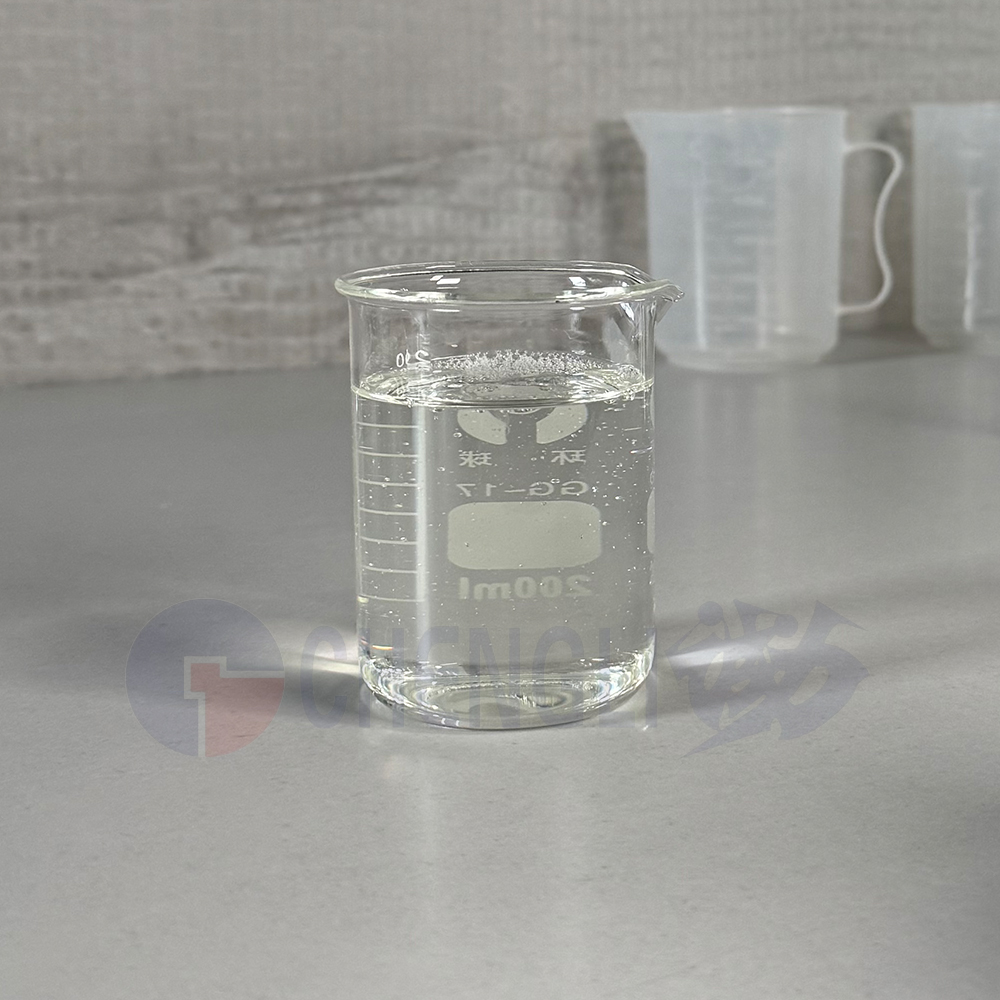
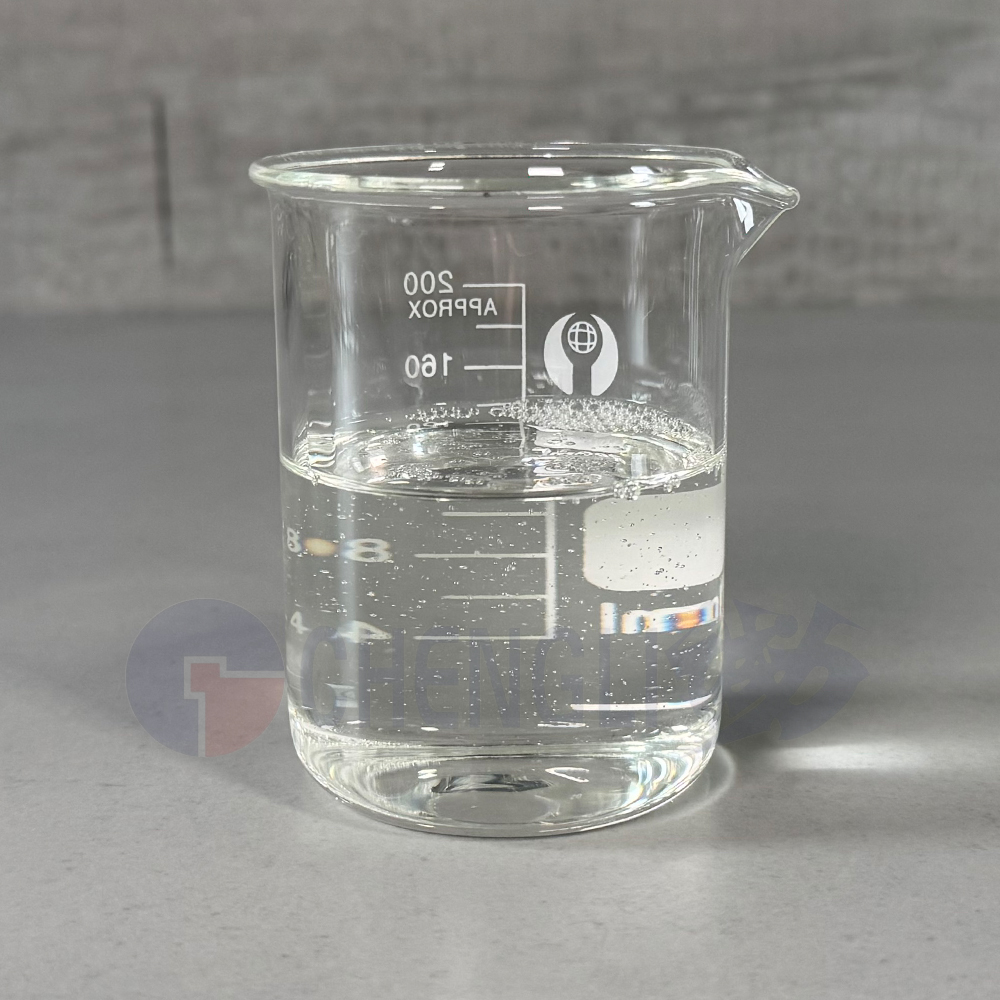
Optimizing Pore Structure and Enhancing Structural Durability
Structural longevity depends directly on internal concrete micro-pore quality. Interconnected capillary channels let moisture and aggressive chemicals penetrate structural interiors.
Polycarboxylate Superplasticizer transforms coarse connected pores into isolated microscopic cavities. This dense pore network blocks water absorption and chemical infiltration effectively. Toxic airborne salts cannot reach embedded steel reinforcement bars easily.
Lower permeability shields steel rebar against destructive rust and internal expansion. Highway bridges and marine piers last decades longer without constant costly repairs. Infrastructure owners save millions in long-term structural maintenance budgets.
Freeze-thaw performance improves dramatically in cold winter climate conditions. Expanding internal ice cannot crush the tightly bound micro-structure of dense concrete. Surfaces resist spalling and cracking despite repeated severe freezing cycles.
Superior Anti-Corrosion and Impermeability Performance
Industrial environments expose concrete structures to aggressive acid rain and chemical spills. Coastal facilities face continuous saltwater splashing and harsh marine weather exposure.
Concrete mixed with Polycarboxylate Superplasticizer resists chemical attack exceptionally well. Dense micro-structures prevent harmful chloride ions from attacking internal steel bonds. Structures maintain pristine structural health even in harsh industrial zones.
Eco-Friendly Benefits: Lower Cement Costs and Green Building
Environmental sustainability dominates modern architectural and engineering design choices. Cement manufacturing generates vast amounts of global carbon emissions annually. Reducing raw cement consumption directly cuts project carbon footprints.
Polycarboxylate Superplasticizer maximizes cement particle hydration efficiency completely. Builders achieve target structural strength using substantially less cement powder per yard. Saving cement lowers raw material expenses while protecting natural resources.
Hydration heat output drops significantly during massive concrete foundation pours. Lower internal temperature prevents severe thermal cracking in thick dams and piers. Engineers deliver durable heavy structures that meet strict environmental compliance rules.
The formaldehyde-free eco-friendly formula emits zero harmful volatile chemical vapors. Workers handle safe non-toxic materials on dense urban construction sites without risk.
Versatile Compatibility Across Infrastructure Projects
Major civil engineering works present unique structural and logistical hurdles. Contractors mix concrete using diverse cement types, fly ash, and silica fume.
Polycarboxylate Superplasticizer demonstrates outstanding compatibility with various supplementary cementitious materials. The liquid additive mixes easily without causing random setting delays or sudden flash setting. Technicians control hydration rates precisely across extreme summer heat or cold winter weather.
Cable-stayed bridges demand self-consolidating concrete with high early tensile strength. Deep subway tunnels require waterproof linings capable of resisting high groundwater pressure. Sky-scraping towers rely on consistent high-pressure pumping to top residential floors.
Polycarboxylate Superplasticizer fulfills these rigorous technical needs reliably and cost-effectively.
Practical Application Guidelines for Optimal Results
Contractors must follow proper dosing guidelines to maximize Polycarboxylate Superplasticizer benefits. Typical dosage ranges from 0.2% to 1.0% by total cementitious weight. Job technicians perform trial batches to determine exact mixture ratios for specific aggregates.
Adding PCE during initial batching ensures thorough dispersion throughout the concrete truck drum. Modern automatic liquid dispensers deliver precise measurements for batch consistency. Proper quality control prevents over-dosing and ensures predictable setting behavior on site.
Final Thoughts on Choosing Polycarboxylate Superplasticizer
Investing in advanced admixtures pays long-term dividends for structural owners and project developers. Polycarboxylate Superplasticizer offers unrivaled water reduction, high strength, and superior environmental safety.
Modern builders build stronger, greener, and more resilient structures by upgrading concrete mixes. Embracing PCE admixture technology drives structural excellence across every modern building project.
CATEGORIES
LATEST NEWS
- Explosive Price Surge: Daily‑Changing Chemical Raw Materials Fuel New Round of Price Hikes
- Influence of Over‑dosing Superplasticizer on Concrete Performance
- Maximizing Concrete Performance: Why Modern Construction Relies on Advanced Admixtures
- Polycarboxylate Superplasticizer: The Complete Guide to High-Performance Concrete
- 50‑60% Solid Polycarboxylate Superplasticizer Mother Liquor: Why It Works For Global Buyers
CONTACT US
Phone: +86 18366819567
Tel: +86 543-3324448
Email: chengli@chenglicn.com
Add: 137-7# Yongxin Rd,Bincheng District,Binzhou City Shandong Province,China